Archives and Aliases: Tracing Numbered Systems' Impact on Gamer Identities in Eastern European Communities
Noah Butler · Jun 10, 2026
Archives and Aliases: Tracing Numbered Systems' Impact on Gamer Identities in Eastern European Communities
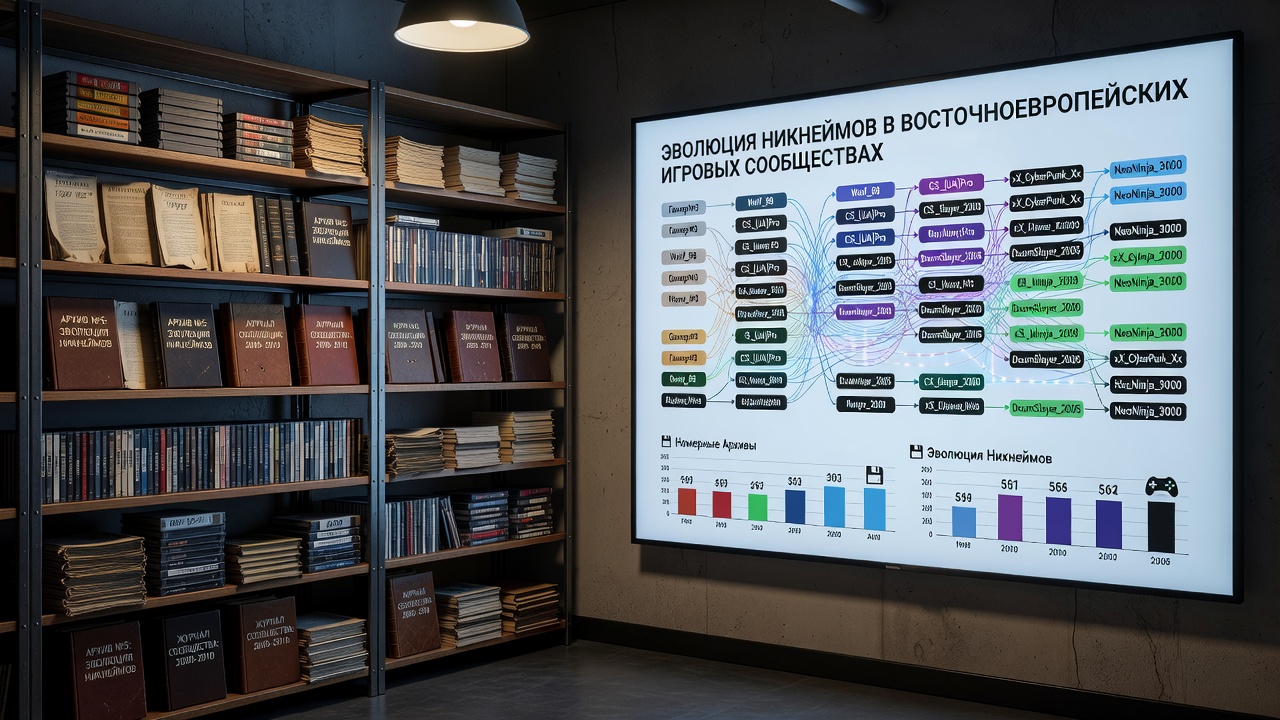
Numbered archives such as ranked leaderboards and forum-based top lists have documented player performance across Eastern European gaming networks for years, and these systems interact directly with how participants select and modify their online handles over time. Communities in Russia, Poland, Ukraine and neighboring countries maintain extensive records that assign numerical positions to users, which in turn influences nickname patterns because visibility on these lists often prompts adjustments to stand out or reflect updated status.
Historical Development of Numbered Systems
Early internet forums in the region began compiling ranked lists during the late 1990s and early 2000s as multiplayer titles gained traction, and these archives assigned sequential numbers to participants based on metrics like wins, clan affiliations and activity levels. Data compiled through 2025 shows continued expansion of such lists on platforms dedicated to games popular in the area, while June 2026 updates to several major Russian and Polish sites introduced refined sorting algorithms that further highlighted numerical standings. Observers note that the persistence of these archives created a reference framework where past positions remain accessible, encouraging users to evolve nicknames to align with current or historical rankings rather than starting fresh each season.
Nickname Formation Patterns Linked to Rankings
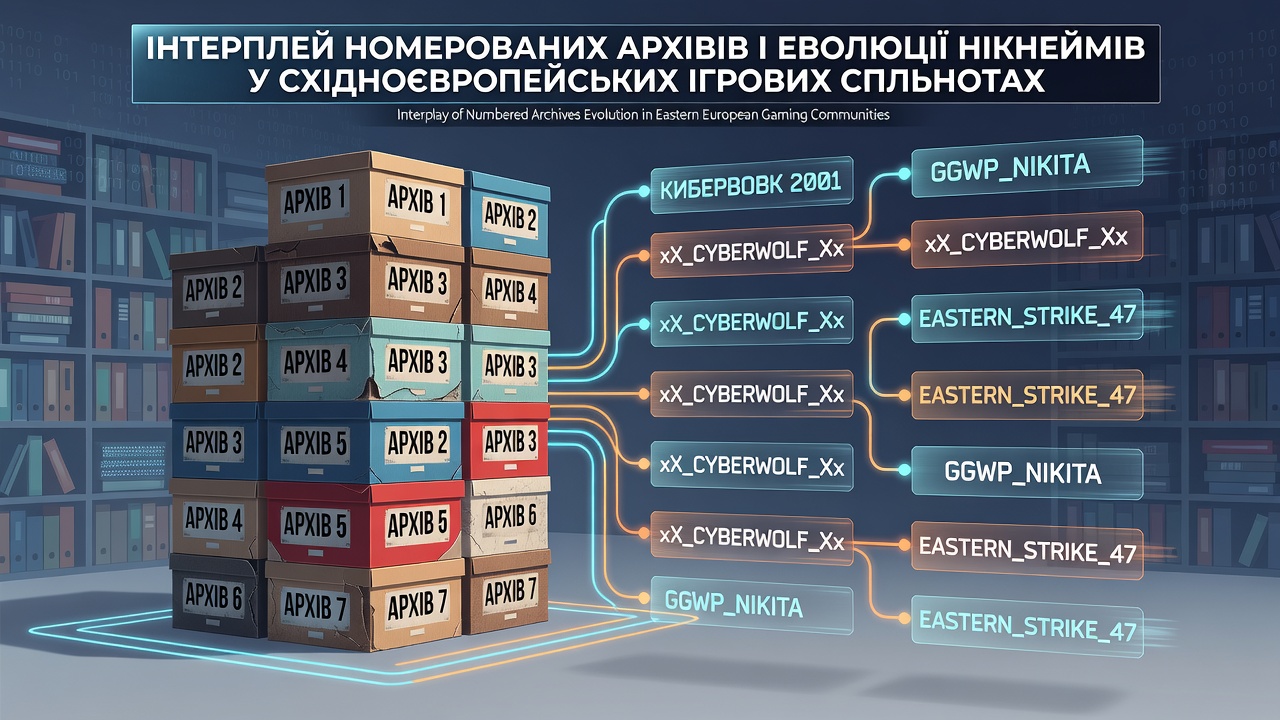
Gamers frequently incorporate elements from their archive positions into handles, such as adding digits that match leaderboard placements or altering spellings to reference specific numerical achievements. Studies from academic institutions tracking digital identities indicate that Cyrillic characters combined with Latin letters and numbers became standard in these communities partly because numbered lists reward distinct, searchable names that appear higher in sorted results. Researchers discovered that players who maintain consistent numerical progress across multiple seasons tend to retain core nickname components while modifying suffixes or prefixes, a practice that preserves recognition within the archive while signaling ongoing activity.
Take one documented case from Ukrainian gaming forums where participants shifted from simple transliterations to hybrid forms incorporating ranking symbols after their positions stabilized in top 100 entries. This adjustment allowed easier cross-referencing between personal profiles and the numbered records, and similar shifts appear across Polish and Russian boards where archive visibility drives the adoption of thematic elements like clan tags or performance indicators.
Community Dynamics and Archive Influence
Clan structures often rely on these numbered systems to evaluate members, which leads to collective nickname revisions when group standings change. According to reports published by the Interactive Software Federation of Europe, participation metrics in Eastern European multiplayer environments grew steadily through 2025, correlating with increased use of archive-linked identifiers. The reality is that high-ranking positions create social capital, prompting individuals to refine aliases to match their documented achievements while avoiding conflicts with existing entries in the same numerical tiers.
Yet patterns also emerge where lower-ranked users adopt nicknames that reference aspirational numbers, creating a feedback loop between the archive and identity choices. External analyses from university research groups have tracked these trends across multiple platforms, revealing that seasonal resets in leaderboards coincide with spikes in nickname modifications as players reposition themselves within updated numerical hierarchies.
Technical Factors in Archive-Nickname Interactions
Forum software used in the region typically indexes nicknames alongside numerical data, which affects searchability and encourages unique combinations that perform well in ranked queries. Database records from major sites demonstrate that nicknames containing numerals aligned with archive positions receive more profile views, reinforcing the practice of integrating ranking references directly into handles. Those who've examined server logs note that automated ranking scripts update in real time during peak hours, giving active users immediate feedback that can trigger nickname updates within the same session.
Security protocols on these platforms further tie nicknames to verified accounts tied to archive histories, limiting arbitrary changes while allowing evolution that maintains continuity with past numerical data. This setup preserves the interplay between fixed records and flexible identities across Eastern European networks.
Conclusion
Numbered archives continue to shape nickname development by providing persistent benchmarks that gamers reference when refining their online presence. The documented connections between ranking positions and handle modifications illustrate how these systems sustain long-term identity strategies within the communities that rely on them. Ongoing updates to list formats ensure the relationship remains active as new seasons and metrics emerge.