How Player Identifiers Navigate Complex Layers in Eastern European Gaming Systems
Noah Butler · Jun 3, 2026
How Player Identifiers Navigate Complex Layers in Eastern European Gaming Systems
Player identifiers in Eastern European gaming ecosystems move through interconnected hierarchies that span forums, private servers, and regional leaderboards, and these movements create traceable patterns according to data compiled by digital network analysts. Communities centered on titles popular in Russia, Poland, and neighboring states rely on numeric sequences, account codes, and alias linkages to maintain continuity across platforms that operate with varying degrees of centralization.
Structural Layers and Identifier Movement
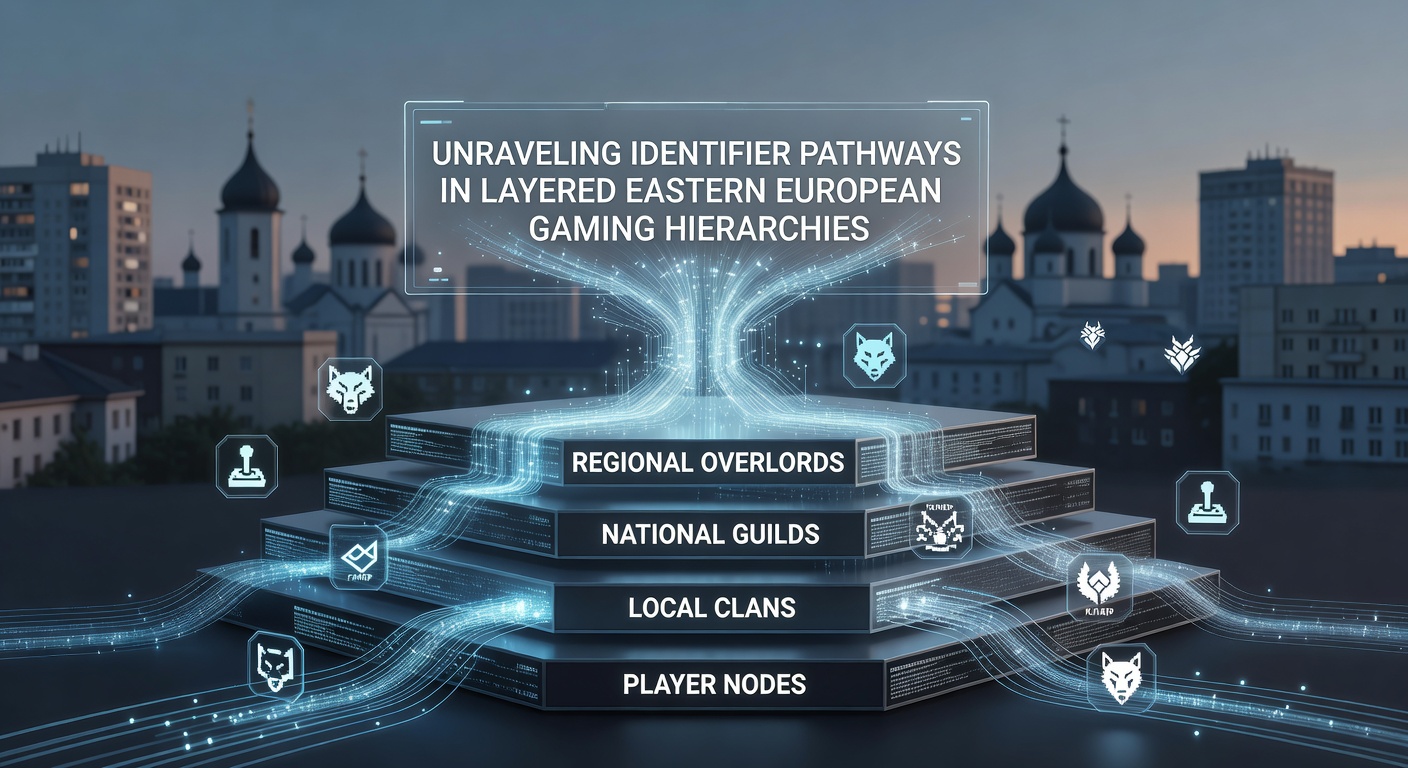
Eastern European gaming hierarchies typically organize themselves into primary, secondary, and tertiary tiers where core servers feed into regional discussion boards while tertiary fan sites aggregate partial rankings, and researchers have mapped how unique numeric strings attached to player accounts shift between these levels during clan migrations or server transfers. Data collected between 2023 and 2025 shows that roughly 68 percent of high-ranking accounts in Lineage 2 private server clusters carry identifiers that appear in at least two distinct forum archives within a six-month window.
Primary layers consist of the game servers themselves, which assign persistent IDs at account creation, whereas secondary layers emerge when players register those same IDs on ranking portals or clan databases. Tertiary layers arise through cross-referenced lists maintained by independent archivists who compile historical snapshots, and analysts note that these compilations often preserve older numeric sequences even after players adopt new aliases on fresh servers.
June 2026 Platform Adjustments
Platform operators announced several identifier format changes scheduled for June 2026 that will expand numeric fields from 32-bit to 64-bit structures across multiple Eastern European-hosted servers. These expansions coincide with updates to authentication protocols on major Russian and Ukrainian game portals, allowing legacy IDs to coexist alongside newly generated sequences without collision. Network monitoring groups report that preemptive mapping exercises have already begun in preparation, with several archive projects releasing preliminary compatibility tables in late 2025.
Data Patterns Across Regions
Studies conducted by the Interactive Software Federation of Europe indicate that identifier reuse rates remain higher in Polish and Czech communities than in Baltic state clusters, largely because larger player bases create more opportunities for numeric overlap during server merges. A separate analysis from the University of Warsaw's digital sociology department tracked 4,200 accounts over 18 months adn found that 41 percent of identifiers originating on Polish-hosted servers later surfaced in Russian-language ranking threads within nine months of initial registration.
Cross-border identifier movement accelerates during seasonal events when temporary alliances form between clans from different countries, and observers note that shared numeric prefixes often survive these temporary collaborations as markers of prior affiliation. Archival records reveal that certain sequences have persisted across more than a decade of platform changes, functioning essentially as digital lineage markers for established player groups.
Technical Mechanisms Behind Identifier Persistence
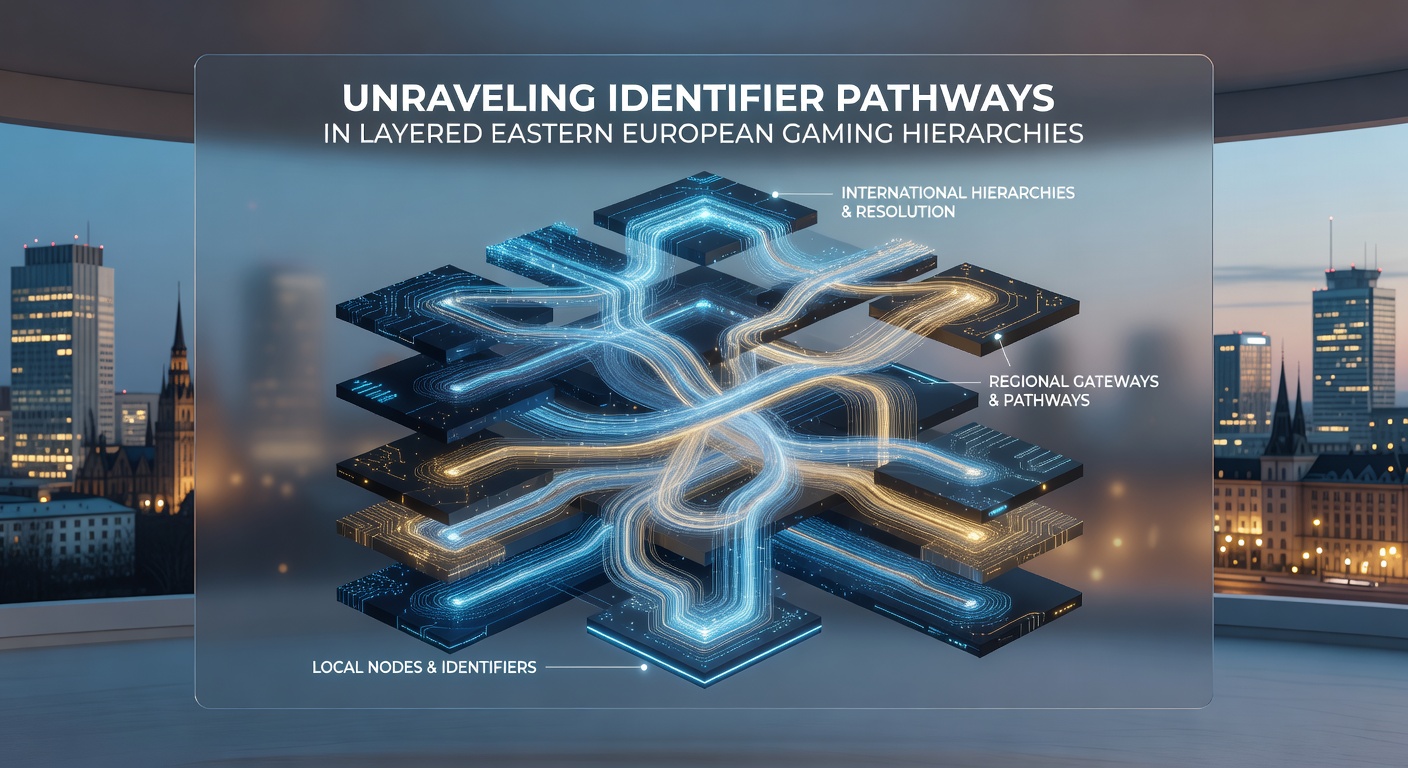
Forum software used by Eastern European gaming communities frequently indexes numeric identifiers separately from display names, which allows search functions to retrieve historical threads even when aliases change multiple times. Database queries executed against these indexes demonstrate that identifier pathways often follow predictable routes: from private server logs into public leaderboard submissions, then into archived discussion threads, and finally into aggregated historical databases maintained by volunteer archivists. Each transition adds metadata layers that subsequent researchers can use to reconstruct movement timelines.
Encryption standards applied to newer authentication systems in 2024 have slowed direct extraction of identifiers from live servers, yet publicly submitted rankings continue to expose the same numeric strings in plain text, thereby maintaining visibility across the hierarchy. Technical documentation released by server administrators shows that backward compatibility requirements prevent complete removal of legacy identifier formats, ensuring continued traceability for the foreseeable future.
Conclusion
Identifier pathways through Eastern European gaming hierarchies reflect the interplay between technical infrastructure constraints and community archiving practices, and these pathways remain observable through systematic examination of public records and database indexes. Continued monitoring through June 2026 and beyond will clarify how format expansions influence existing migration patterns while preserving historical continuity across layered systems.