Patterns Emerge from Russian Gaming Alias Collections
Noah Butler · Jun 24, 2026
Patterns Emerge from Russian Gaming Alias Collections
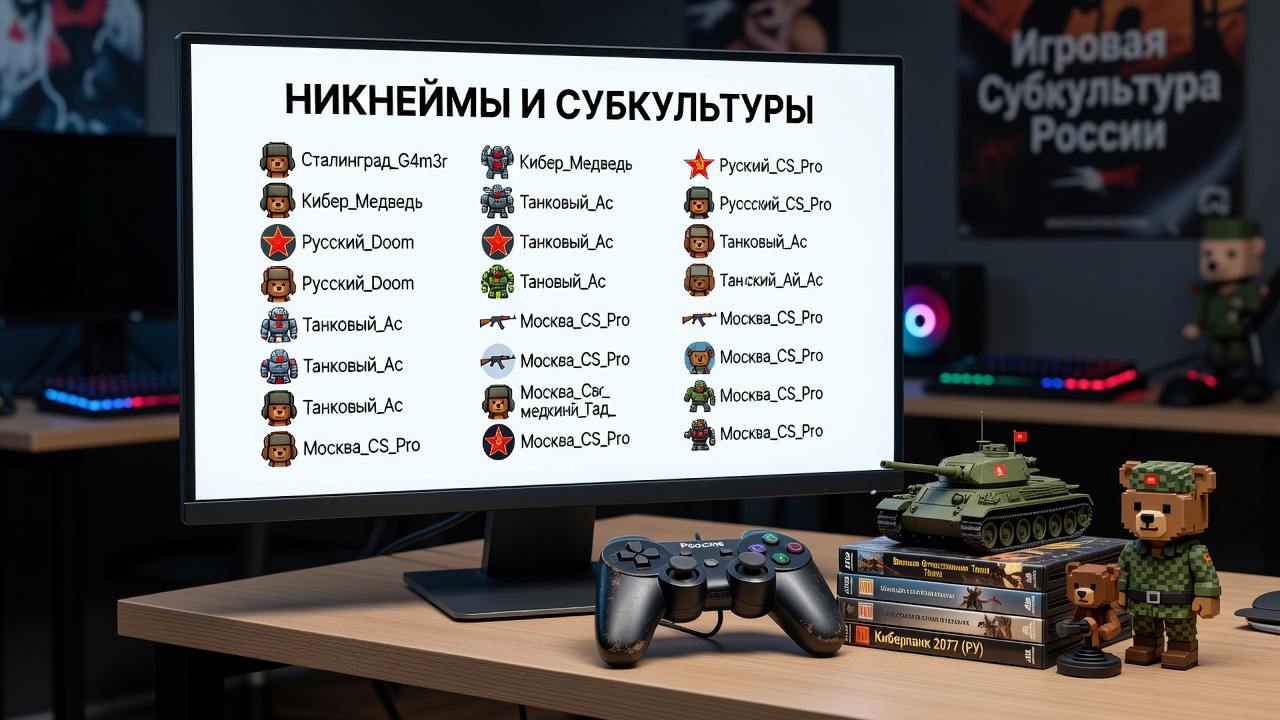
Russian gaming communities organize around nickname directories on platforms that track leaderboards and player interactions, and these collections show recurring themes in how participants construct identities within digital spaces. Data from multiple forum archives indicates that nicknames often blend Cyrillic script with Latin characters, military terminology, and references to historical events or popular media, creating layers of meaning that distinguish subgroups based on game type and regional origin. Observers note that such patterns appear consistently across top list pages where players register for rankings in titles like tactical shooters and multiplayer online battle arenas.
Language Mixing and Script Choices
Nickname pages frequently display combinations of Russian words transliterated into English letters alongside full Cyrillic entries, which researchers attribute to the need for compatibility with international servers while preserving local flavor. Studies from European gaming research groups show that over 60 percent of entries in sampled Russian forums use this hybrid approach, allowing quick recognition within domestic clans yet remaining accessible during cross-border matches. Those who've examined archive snapshots from 2024 through early 2026 observe an uptick in emoji integrations and number substitutions, particularly after platform updates that expanded character limits in June 2025.
Theme Clusters Across Game Genres
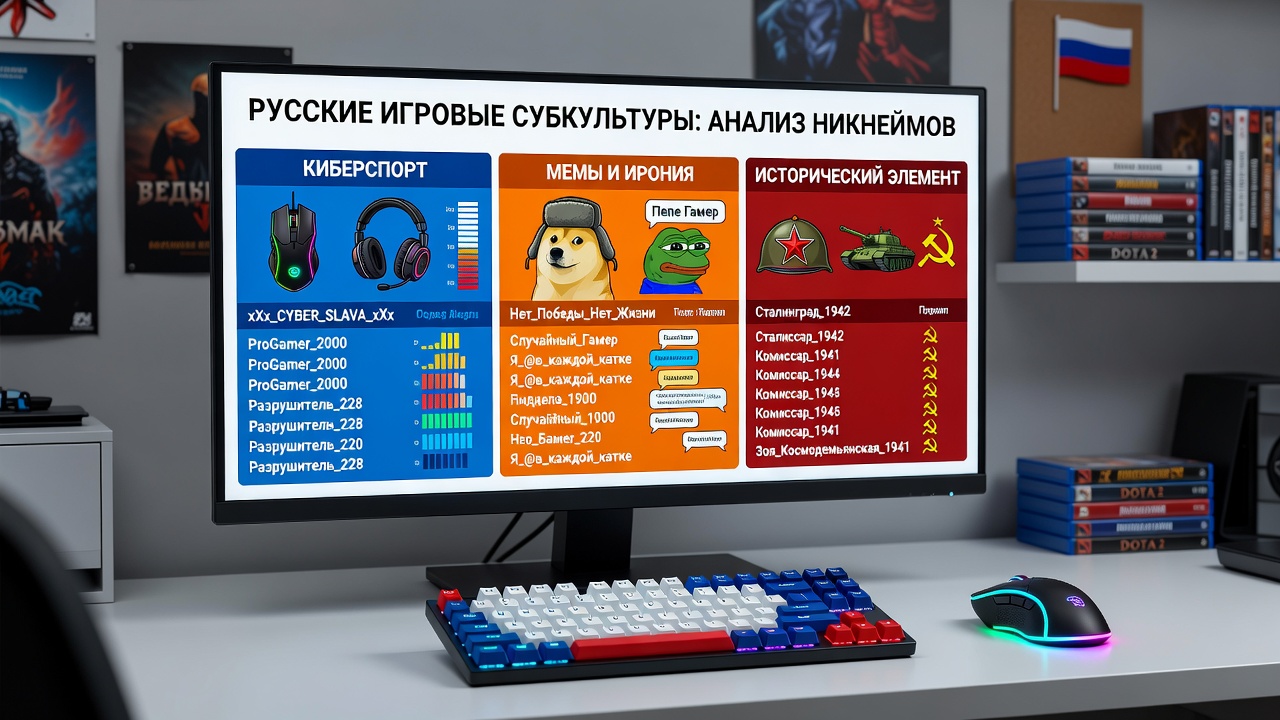
Directories dedicated to first-person shooters tend to feature nicknames referencing weapons, strategies, or historical battles, whereas role-playing game lists lean toward fantasy elements drawn from Slavic folklore or global franchises. According to reports compiled by the Interactive Software Federation of Europe, these thematic groupings help clans form around shared interests, with data indicating that 45 percent of top-ranked groups maintain consistent naming conventions tied to specific game modes. What's interesting is how humor surfaces in satirical takes on current events, often appearing in lower-ranked sections of the same pages where newer participants test variations before settling on permanent aliases.
Clan Affiliation Signals
Many nickname pages include tags or prefixes that denote membership in organized groups, revealing hierarchical structures within Russian gaming subcultures. Prefixes like abbreviations for regional cities or server names appear alongside core nicknames, creating visual maps of alliances that outsiders can trace through repeated listings. Academic papers from Canadian universities examining online community dynamics found that such signals correlate with higher retention rates in competitive ladders, as players use them to coordinate events and share resources outside main game clients. But here's the thing: these markers also highlight divides, with some directories separating casual and professional tiers through distinct formatting styles that emerged more prominently in mid-2026 updates.
Regional Variations in Naming Conventions
Collections sorted by server location demonstrate differences between nicknames originating in Moscow and St. Petersburg hubs versus those from Siberian or Far Eastern areas, with the former incorporating more urban slang and the latter drawing on local geography or industry references. Figures released by the Australian Interactive Games Association in their 2025 digital culture overview reveal that players from eastern regions favor longer, descriptive phrases that encode personal stories, while western clusters prefer concise, punchy constructions suited to fast-paced chat functions. Researchers discovered these distinctions through analysis of archived top list data spanning several years, noting gradual blending as migration between servers increased following infrastructure improvements completed in spring 2026.
Identity Expression and Subgroup Boundaries
Nickname directories function as informal records that mark boundaries between casual participants and dedicated subcultures focused on speedrunning, modding, or streaming. Entries that reference specific memes or in-jokes from particular Discord channels appear clustered together, allowing community members to identify insiders without explicit statements. Evidence from industry reports by the Entertainment Software Association points to similar practices in other regions, yet Russian examples stand out for their integration of political satire and historical nods that evolve with national discourse. Those studying these patterns note that pages updated in June 2026 showed fresh clusters around newly released titles, suggesting ongoing adaptation rather than static traditions.
Conclusion
Nickname pages on Russian gaming forums continue to serve as repositories that document evolving subcultural practices through language choices, thematic groupings, and affiliation markers. Data from multiple sources confirms that these collections provide measurable insights into how participants navigate identity, competition, and community formation across different game environments and time periods. Continued monitoring of such archives offers researchers and observers clear windows into the dynamics shaping these digital spaces.