The Historical Progression of Numbered Leaderboards in Russian Gaming Forums
David Klein · Sep 1, 2026
The Historical Progression of Numbered Leaderboards in Russian Gaming Forums
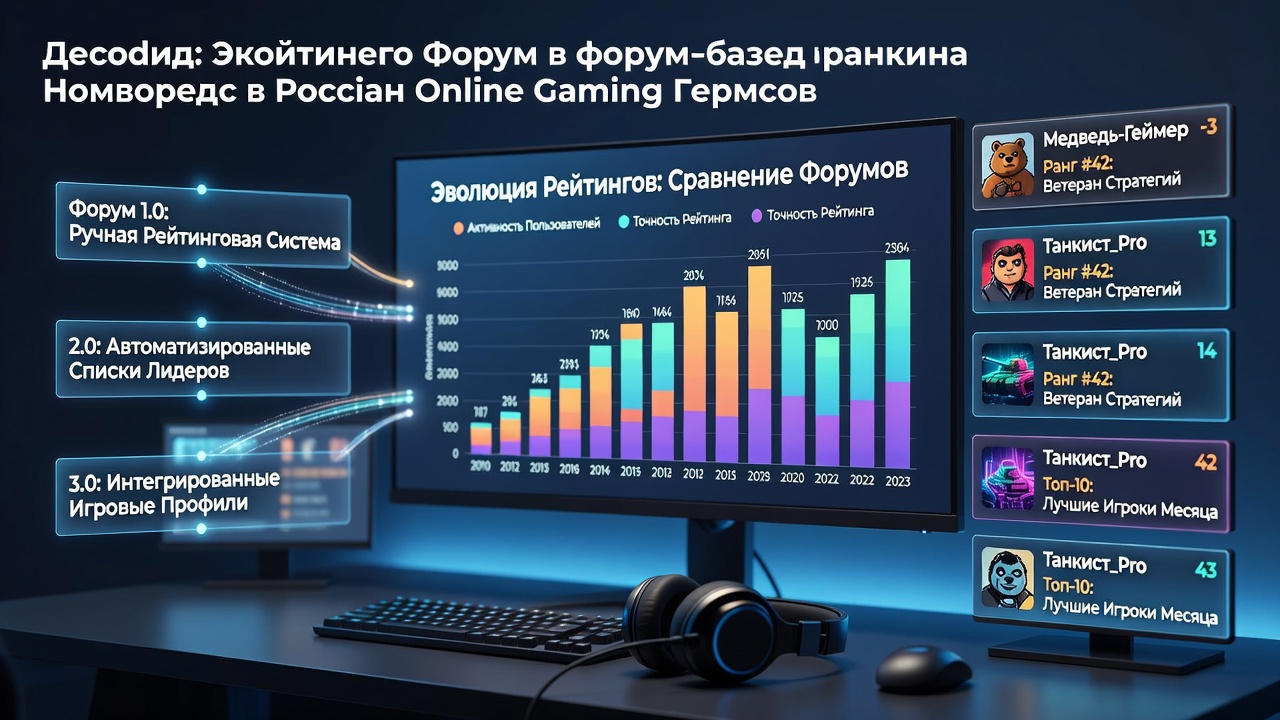
Forum-based numbered rankings emerged in Russian online gaming spaces during the late 1990s as community members sought structured ways to track performance across popular multiplayer titles, and these systems evolved through incremental changes in software capabilities alongside shifts in user participation patterns. Early implementations relied on simple HTML tables posted by administrators who manually compiled scores from game logs, yet participants quickly adopted these lists as reference points for clan recruitment and competitive events. Data from that period shows forums hosted on platforms like those affiliated with Counter-Strike communities recorded thousands of entries per month, while observers note the format spread rapidly because it required minimal technical infrastructure beyond basic web hosting.
Initial Adoption and Structural Foundations
By the early 2000s Russian gaming forums integrated numbered ranking systems that combined player statistics with alias collections, and these setups allowed moderators to assign positions based on win rates, kill counts, and tournament results submitted through dedicated threads. Researchers at institutions studying digital culture, including those affiliated with the Higher School of Economics, documented how such lists fostered sustained engagement because they provided visible progression metrics that encouraged repeated logins and forum interactions. Participants often cross-referenced multiple forums to verify rankings, which created informal networks of data sharing across regional servers, whereas the absence of centralized databases meant discrepancies frequently sparked discussions that further populated comment sections.
Technological Shifts and Expanded Features
Software updates in the mid-2000s introduced dynamic scripting that automated score uploads from game servers directly into forum databases, and this transition reduced manual errors while enabling real-time updates that kept rankings current throughout active play periods. Those who've examined archived forum threads observe that features like pagination for top 100 lists and search filters became standard as traffic volumes increased, yet the core numbered format remained unchanged because it offered clear visual hierarchy that users found intuitive across varying literacy levels in technical interfaces. External factors such as broadband expansion in urban centers accelerated adoption rates, and figures from industry reports compiled by the Interactive Software Federation of Europe indicate Russian gaming communities represented a growing segment of European multiplayer activity during those years.
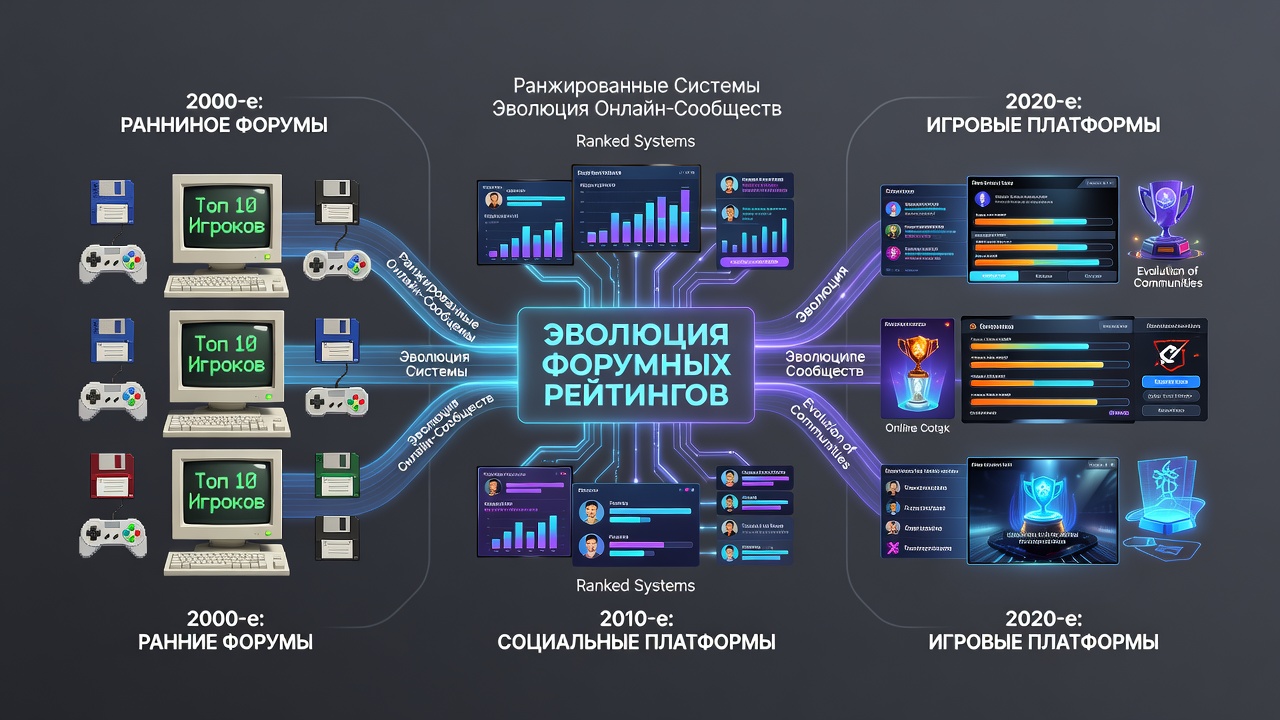
Integration with social media platforms began around 2010 when forum operators embedded share buttons that exported ranking data to emerging networks, and this linkage extended visibility beyond dedicated gaming sites while maintaining the numbered structure as the primary organizational tool. Academic analyses of Russian internet archives reveal that alias evolution patterns tied directly to ranking positions because players adjusted names to reflect achievements or to obscure previous records after resets, yet the underlying leaderboard mechanics continued to emphasize cumulative performance data over isolated matches. In September 2026 ongoing developments include refinements to mobile-responsive forum designs that preserve these ranking displays without loss of detail, allowing participants on handheld devices to monitor positions during commutes or breaks between sessions.
Community Dynamics and Data Practices
Moderation practices adapted over time to address manipulation attempts such as inflated stats or duplicate entries, and administrators implemented verification protocols that required screenshots or server logs before updating positions on the lists. People who've studied these communities note that clan-based rankings emerged as parallel systems alongside individual leaderboards, which allowed groups to compete for collective standings while individual players maintained personal profiles that linked to team affiliations. Research indicates these dual formats supported broader participation because they accommodated both solo competitors and organized teams, whereas disputes over placement often resolved through public thread debates that reinforced community norms around fair play.
Archival data collections from Russian gaming forums demonstrate steady growth in the number of tracked games, expanding from first-person shooters to include strategy titles and mobile adaptations that brought new demographics into the ranking ecosystem. Observers point out that cross-game leaderboards appeared in some spaces by linking accounts across titles, yet the numbered presentation stayed consistent to maintain comparability across different mechanics and scoring systems. External partnerships with analytics providers further enhanced these platforms in recent years, providing aggregated insights that forum operators used to highlight seasonal trends without altering the fundamental ranking display.
Conclusion
The progression of numbered rankings within Russian online gaming forums reflects ongoing adaptations to technological capabilities and community needs, and these systems continue to serve as foundational elements for tracking achievement in digital spaces. Continued refinements through 2026 and beyond suggest the format will persist alongside emerging interfaces while preserving its emphasis on clear positional ordering derived from verifiable performance metrics.