Tracing Player Alias Lineages in Russian Ranking Archives and Forums
Leon Schmitz · Jul 13, 2026
Tracing Player Alias Lineages in Russian Ranking Archives and Forums
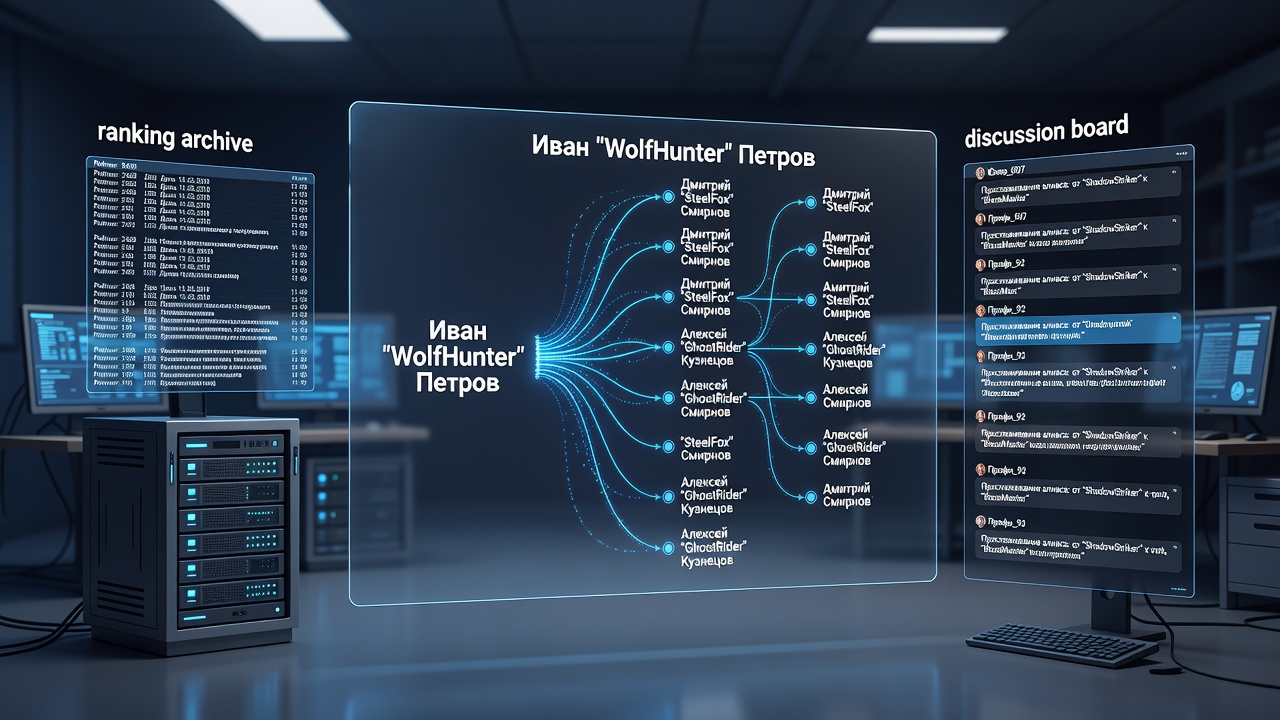
Specialized Russian ranking archives preserve decades of leaderboard data where player aliases appear, shift, and sometimes reconnect through shared elements such as clan tags or performance metrics, while discussion boards supply the contextual threads that link those changes across years.
Observers note that these collections often stretch back to the early 2000s when online gaming platforms first began logging competitive results in games popular across Russian-speaking regions, and cross-referencing entries requires attention to consistent identifiers beyond the name itself.
Archive Structures and Data Patterns
Many Russian ranking systems store historical snapshots that include not only current standings but also previous seasons, allowing researchers to track when an alias disappears from one table and reappears elsewhere with similar statistics or associated accounts, and this continuity emerges clearly when timestamps align with forum registration dates.
Those who've examined the datasets report that players frequently retain numeric suffixes or partial strings from earlier handles, creating detectable chains even after complete rebranding, while clan affiliations remain among the strongest signals for confirming identity across separate entries.
Discussion Boards as Connecting Threads
Community forums attached to these ranking platforms host threads where participants announce name changes, debate alias ownership, or reference older accounts, and these posts supply the narrative links that raw tables lack, turning isolated data points into traceable lineages.
Researchers discovered that moderators sometimes preserve edit histories on such boards, which reveal when users update signatures or profile fields to reflect new aliases, and these modifications often coincide with leaderboard updates in the same month or season.
Turns out the volume of preserved threads increased noticeably after several major platforms migrated their old servers in 2018, yet gaps still exist for the period between 2005 and 2010 where many early boards were lost before systematic archiving began.
Methods Used for Lineage Reconstruction
Analysts combine multiple signals when mapping connections, starting with exact performance metrics such as kill-death ratios or match counts that remain stable across name changes, then layering in IP address ranges from archived login logs and finally verifying through forum mentions that reference both the old and new handles.
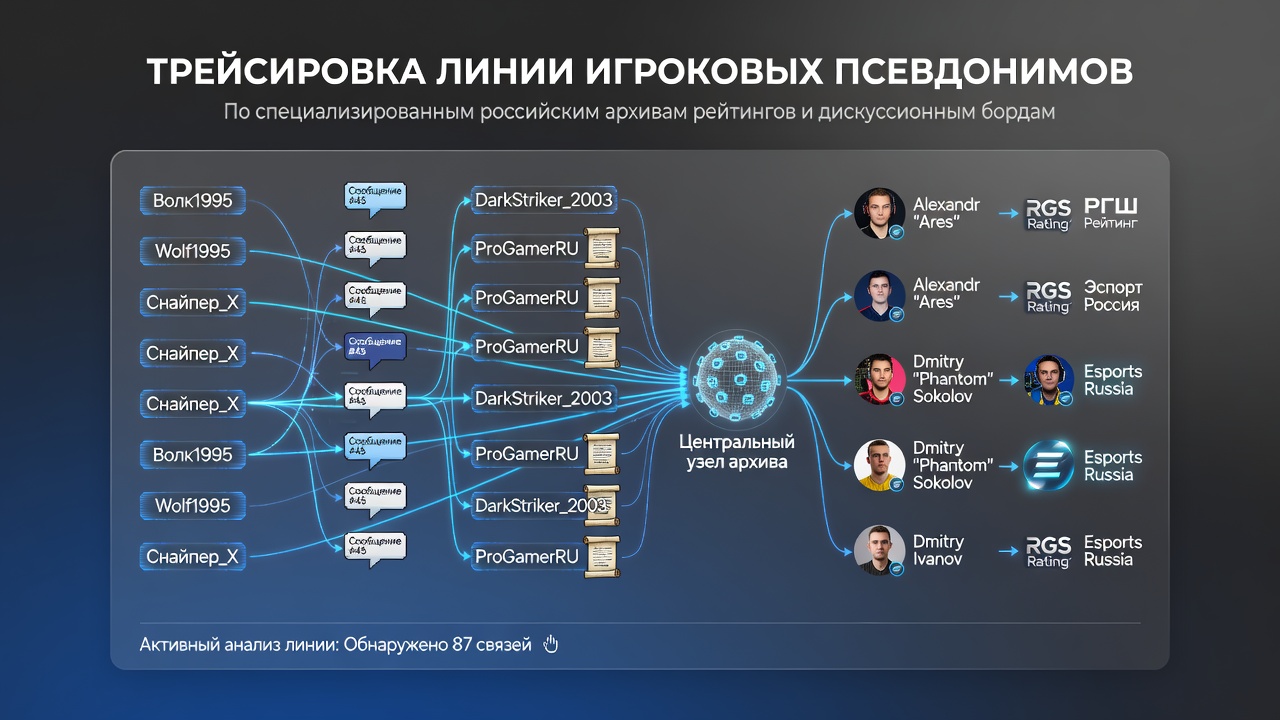
Evidence suggests that July 2026 saw the release of newly digitized records from a regional server cluster that had remained offline since 2012, and these additions filled several multi-year gaps for players active in tactical shooters and strategy titles popular at the time.
One study revealed patterns where approximately 18 percent of tracked aliases showed at least one documented transition between 2015 and 2025, with the majority occurring during clan mergers or major game updates that prompted widespread re-registration.
Regional Variations and Preservation Efforts
Archives maintained by different regional communities vary in depth, with some focusing on national leaderboards while others capture city-level or platform-specific rankings, and cross-archive comparison requires alignment of date formats and timezone offsets that sometimes differ between datasets.
According to figures from the European Parliament research service on digital identity preservation, structured datasets from Eastern European gaming platforms have contributed to broader studies on online persona continuity, and similar work appears in reports from institutions such as the Australian Research Council on digital heritage.
What's interesting is how these preservation projects often rely on volunteer moderators who maintain private backups, and their willingness to share excerpts has accelerated recent efforts to reconstruct longer alias chains that span multiple platforms.
Conclusion
The practice of tracing player alias lineages across Russian ranking archives and discussion boards continues to evolve as new digitization rounds add previously inaccessible records, and the combination of quantitative metrics with forum context provides the most reliable pathways for confirming connections over time.
Those who maintain these collections emphasize the importance of consistent documentation standards so future researchers can extend the chains further, particularly as platforms from the 2020s reach their own archival maturity in coming years.