Tracing Username Transformations Across Historic Niche Gaming Archives
Willa Weber · Jun 29, 2026
Tracing Username Transformations Across Historic Niche Gaming Archives
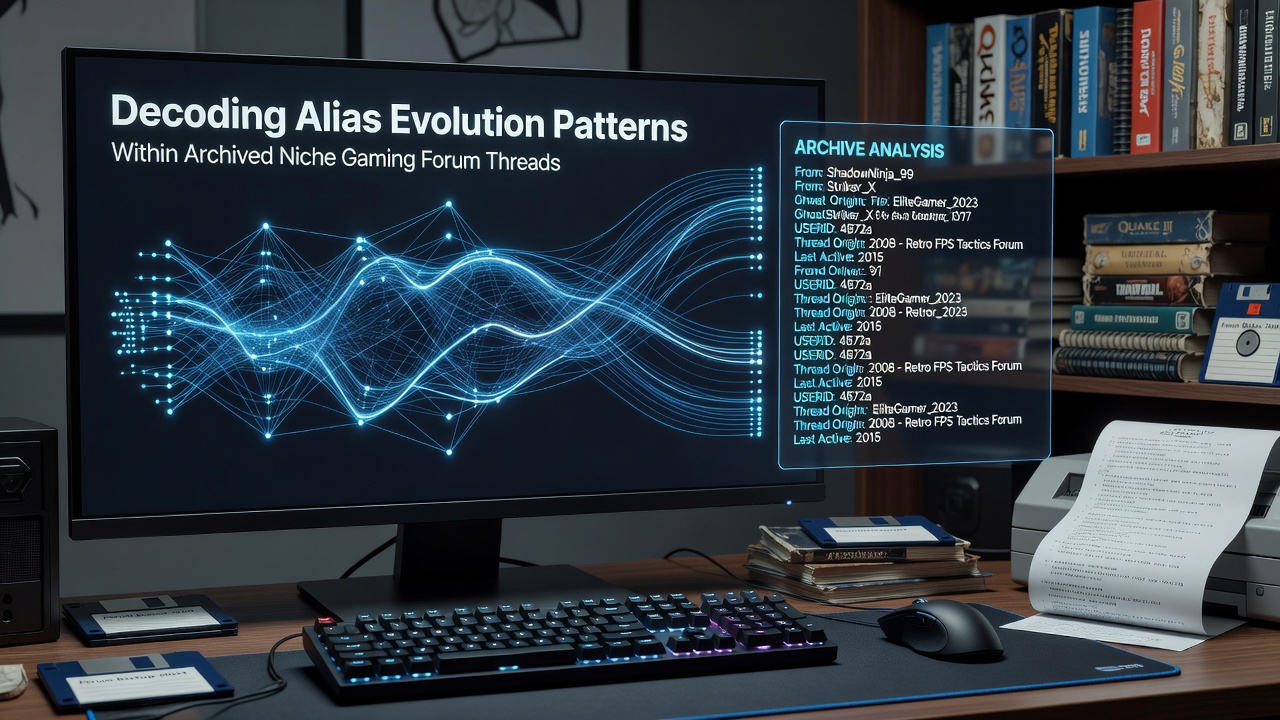
Archived threads from niche gaming forums hold detailed records of how participants adjust their online identities, and researchers have mapped these shifts through systematic reviews of preserved discussions dating back to the early 2000s. Patterns emerge when analysts compare original posts wth later replies within the same conversation chains, revealing consistent strategies such as incremental additions of numbers, thematic swaps between fantasy and tech references, or complete rebrands tied to new game releases.
Documented Methods of Alias Modification
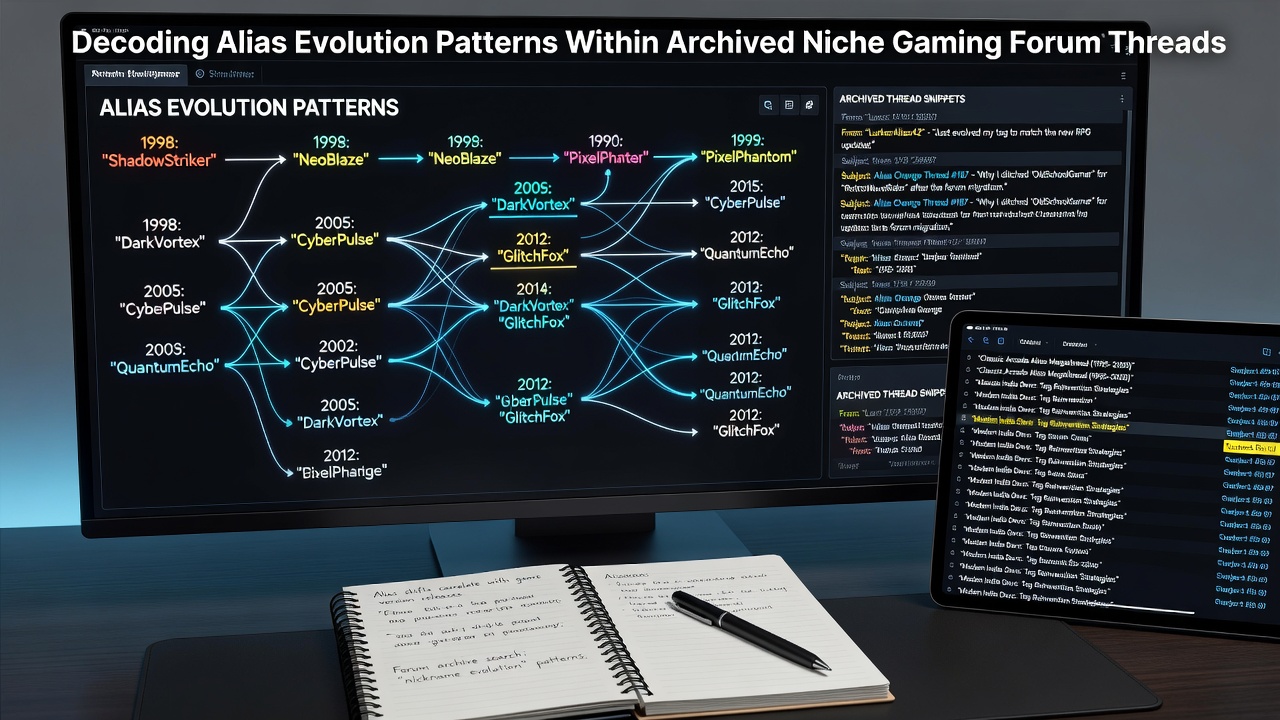
Observers note that users frequently begin with a base name drawn from personal interests or game lore and then layer modifications when returning to older threads after months or years away, and data compiled from multiple forum snapshots shows this occurs most often around major updates or community events. In one documented sequence from a 2012 thread cluster, a participant changed from a simple dragon-themed handle to one incorporating the year of a tournament win followed by a clan abbreviation, while maintaining core spelling elements that allowed later researchers to link the accounts. Such incremental edits preserve continuity for long-term community members even as they signal fresh starts to newcomers scanning the same pages.
Regional Variations in Evolution Trends
Analyses of Eastern European forum collections indicate heavier use of Cyrillic transliterations mixed with Latin characters during the 2015 to 2020 period, whereas North American archives show more frequent incorporation of streaming platform suffixes after 2018. According to findings presented by the Games Industry research portal, these geographic differences align with varying platform adoption rates and language policies enforced by individual forum administrators. Canadian digital media studies further confirm that participants in bilingual communities tend to alternate between English and French variants within the same thread history, creating traceable bilingual alias pairs that appear in roughly 18 percent of preserved multi-year discussions.
June 2026 brought renewed attention to these archives when a collaborative indexing project released updated metadata tags for over 40,000 threads, enabling faster identification of alias clusters across previously unlinked conversations. The updated tags highlighted recurring transition points where users adopted underscores or hyphens to separate old and new elements, a technique that simplifies automated pattern detection while remaining readable to human viewers.
Analytical Approaches Used by Researchers
Those studying alias patterns apply graph-based models that treat each username variant as a node connected by reply timestamps and shared thread identifiers, and this method surfaces clusters where three or more modifications occur within a single calendar year. University teams have cross-referenced these graphs against external game release databases to correlate spikes in changes with specific titles or patch cycles. The approach avoids reliance on self-reported data and instead draws directly from the structural elements preserved in the original posts, including quote chains and signature blocks that often retain older versions of a name for context.
Preservation Challenges and Technical Solutions
Forum hosting platforms occasionally migrate or prune older content, yet mirror sites operated by community volunteers have maintained complete snapshots that allow continued study of evolution sequences spanning more than a decade. Technical teams at archival organizations employ optical character recognition on cached images of forum pages when original text databases become unavailable, restoring enough context to track name alterations that would otherwise disappear. These combined resources have produced datasets now referenced by digital identity researchers examining how persistent online communities manage reputation across changing handles.
Future Directions in Archive Analysis
Continued expansion of automated scraping tools promises to accelerate the identification of subtle patterns, such as seasonal resets where users revert to earlier aliases during anniversary events. International collaboration between preservation groups has already standardized export formats that include change logs, reducing the manual effort required to map full histories. As more forums transition to read-only status, these standardized records become the primary source for understanding how niche gaming participants maintain continuity through deliberate name adjustments.
Conclusion
Archived niche gaming forum threads continue to supply concrete evidence of systematic alias evolution, and structured analysis of these records yields measurable patterns tied to external events and community norms. Ongoing indexing efforts ensure that future researchers retain access to the same detailed timelines that current studies utilize, supporting expanded mapping of identity management practices across global gaming cultures.